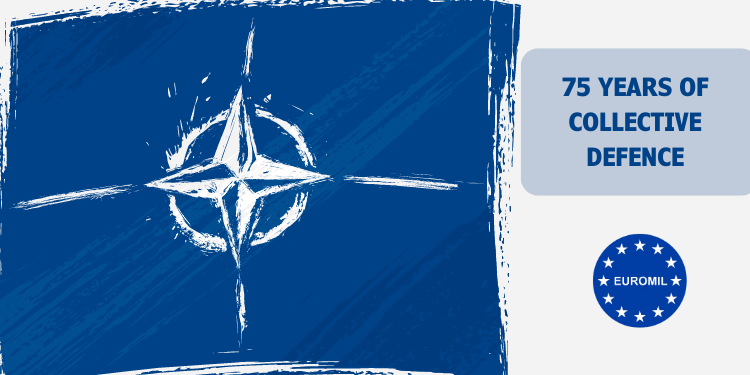
On 4 April 1949 twelve countries (Belgium, Canada, Denmark, France, Iceland, Italy, Luxembourg, the Netherlands, Norway, Portugal, the United Kingdom, and the United States) signed in Washington D.C. the North Atlantic Treaty. As the representative umbrella organisation of European military personnel, EUROMIL extends its best congratulations on this historic occasion, …

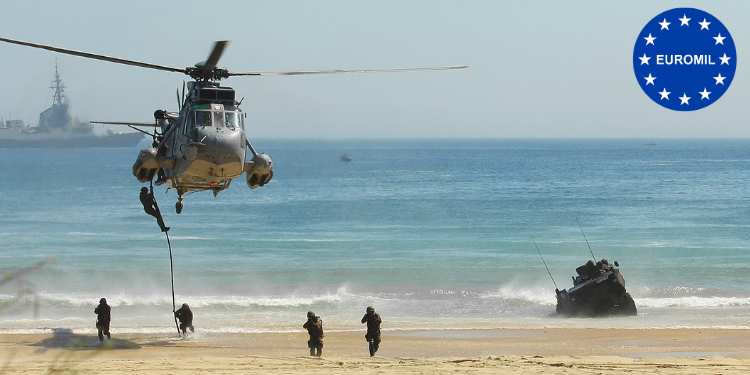
EUROMIL in cooperation with together.eu organised on the 20th of March a two panel event discussions to address and analyse how the current geopolitical environment has affected European defence, as well as the fact that the European elections come at a pivotal moment for the future of CSDP. At the …
As the European Union’s Strategic Compass approaches its second anniversary, it is time to reflect on its impact and assess where Europe stands in terms of its strategic goals and aspirations. The Strategic Compass, adopted in March 2022, one month after the start of the Russian aggression against Ukraine, was …
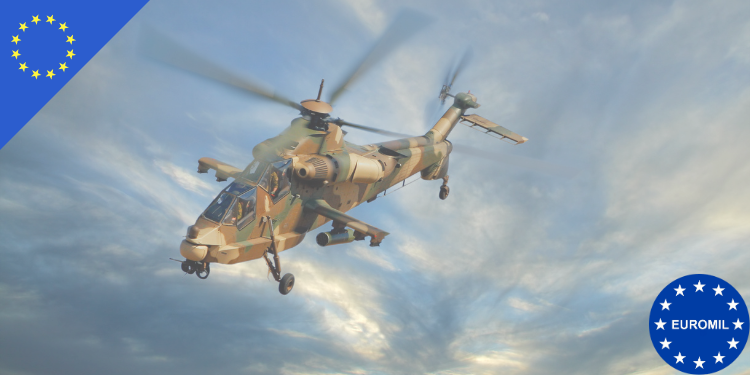
On Wednesday 28 February the plenary session of the European Parliament adopted the annual Common Security and Defence Policy (CSDP) report. EUROMIL welcomes the adoption of such an important report with the aim of strengthening European defence. Undoubtedly, today’s geopolitical environment requires the EU to boost its defence capabilities and …
News from our German Member DBwV (1) Parliamentary evening: Defence Minister Pistorius emphasises constructive and trusting cooperation with the DBwV The German Armed Forces Association once again hosted its annual Parliamentary Evening at the Berlin Museum of Communication. Federal Chairman Colonel André Wüstner was once again able to welcome Defence …
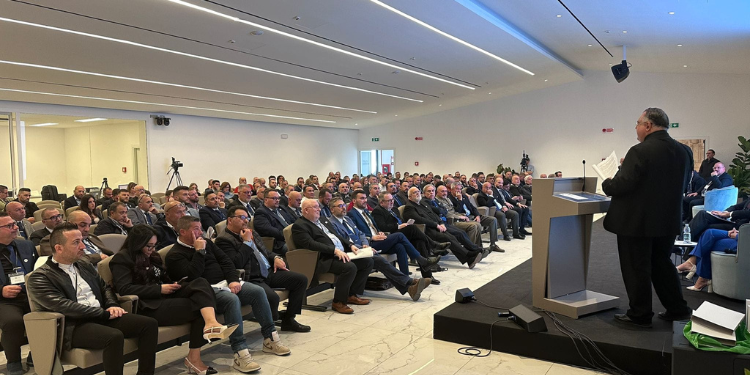
On 23 March 2024, the Italian military “association with trade union character” organised its 3rd Congress in Palermo (Italy). The Congress came at the same moment as the official announcement that ITAMIL has been recognised under the new law as a representative organisation representing the Army, counting almost 4% of …
The Ukrainian Union of Military and Security (UUMS) started publishing a series of information on the current situation in Ukraine.
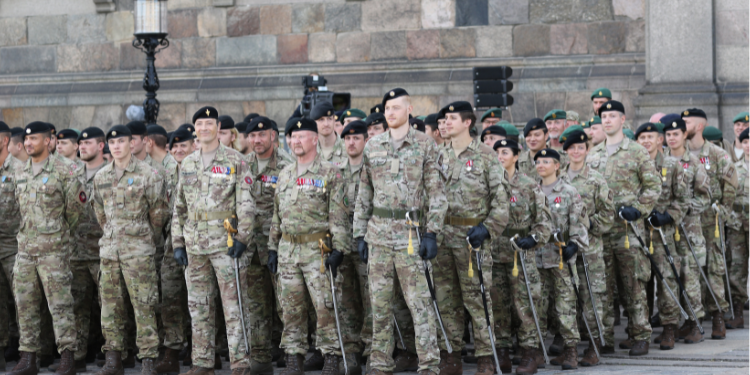
Denmark plans to invest further in the military and conscript women for military service The Danish Prime Minister, Defense Minister and Foreign Minister has recently presented the Danish governments plans for further military investments. Among further investments in the military, including building up a heavy brigade with up to 6ooo …

In light of the 2024 European Elections, EUROMIL launches its project for the European Elections for a more inclusive Europe for Military Personnel.
Read more…